Traditional Decorative Carpet Rugs: A Vector Design Resource
The Enduring Allure of Ornamental Patterns
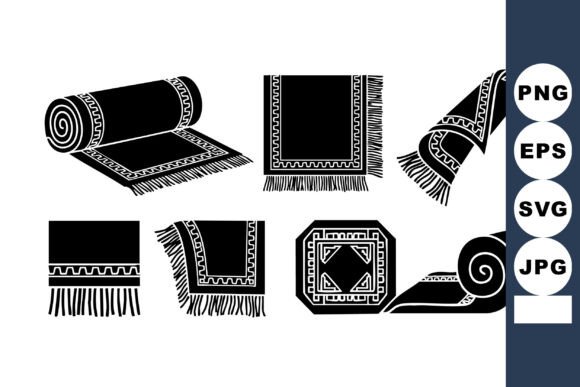
There's a certain warmth and depth that traditional carpet patterns bring to a space. They tell stories of craftsmanship, cultural heritage, and meticulous artistry. The vector set featuring six Traditional Decorative Carpet Rugs captures this essence perfectly. Each rug is depicted with intricate fringes and ornamental patterns, showcasing the kind of detail that feels both classic and deeply elegant. This isn't just a collection of shapes; it's a curated set of design assets that evokes a sense of history and refined taste.
The personality of these designs is one of sophistication and timeless appeal. The patterns are symmetrical, balanced, and rich with symbolic motifs. The visual style leans heavily into the ornate, making them ideal for projects that aim to communicate luxury, heritage, or meticulous craftsmanship. The overall appeal lies in their versatility—they can be used as central graphic elements or as supporting textures to add depth and context to a layout.
Practical Applications for Designers and Creatives
Understanding where a resource like this works best is key to unlocking its value. For interior decoration projects, these vectors are a direct asset. A designer can use them in mood boards, client presentations, or as part of digital renders to visualize rug placements and patterns in a room setting. The included file formats—SVG, EPS, JPG, and PNG—ensure compatibility with most design software, from Adobe Illustrator to Canva.
Beyond interior design, the applications are surprisingly broad. In brand identity work, a subtle pattern from one of these rugs could inspire a logo mark, a packaging texture, or a website background for a brand rooted in artisanal goods, travel, or cultural services. The intricate details make for compelling social media graphics where visual richness can stop the scroll. A blog focused on global crafts or home styling could use these images as featured graphics, instantly setting a thematic tone.
For editorial design and publishing, these patterns serve as excellent chapter headers, section dividers, or page borders in books, magazines, or digital zines exploring topics like history, art, or design. Marketers can leverage them in campaign materials for events, boutique hotels, or product launches where a touch of elegance is required. The key is to use them with intention, allowing their inherent complexity to enhance, not overwhelm, the core message.
Integrating Traditional Patterns into Modern Projects
When incorporating such ornate design assets, a thoughtful approach to visual hierarchy is crucial. These patterns have high visual weight. Pair them with clean, sans serif fonts for body text to maintain readability. Use the rug motifs as large, background elements with reduced opacity, or as small, precise accents. This contrast between the detailed pattern and simpler typographic elements creates a balanced and professional modern typography layout.
The patterns can significantly influence brand perception. A business using these motifs will likely be perceived as established, quality-focused, and culturally aware. This is powerful for small business owners in the home decor, textile, or specialty gift sectors looking to build a recognizable brand identity. Consistency in using a specific pattern or color palette drawn from these rugs across digital and print materials can build strong audience recognition.
Before finalizing your choice, evaluate the project fit. Is the overall mood of your project aligned with classic elegance? Test the vectors at different scales. A pattern that looks stunning as a full-page spread might become muddy when reduced to a thumbnail for a web design favicon. Always review the licensing of any commercial font or graphic asset to ensure it covers your intended use, whether for a client project or merchandise. These Traditional Decorative Carpet Rugs offer a gateway to adding a layer of authentic artistry and depth to a wide array of creative work, bridging the gap between historical craft and contemporary design needs.